
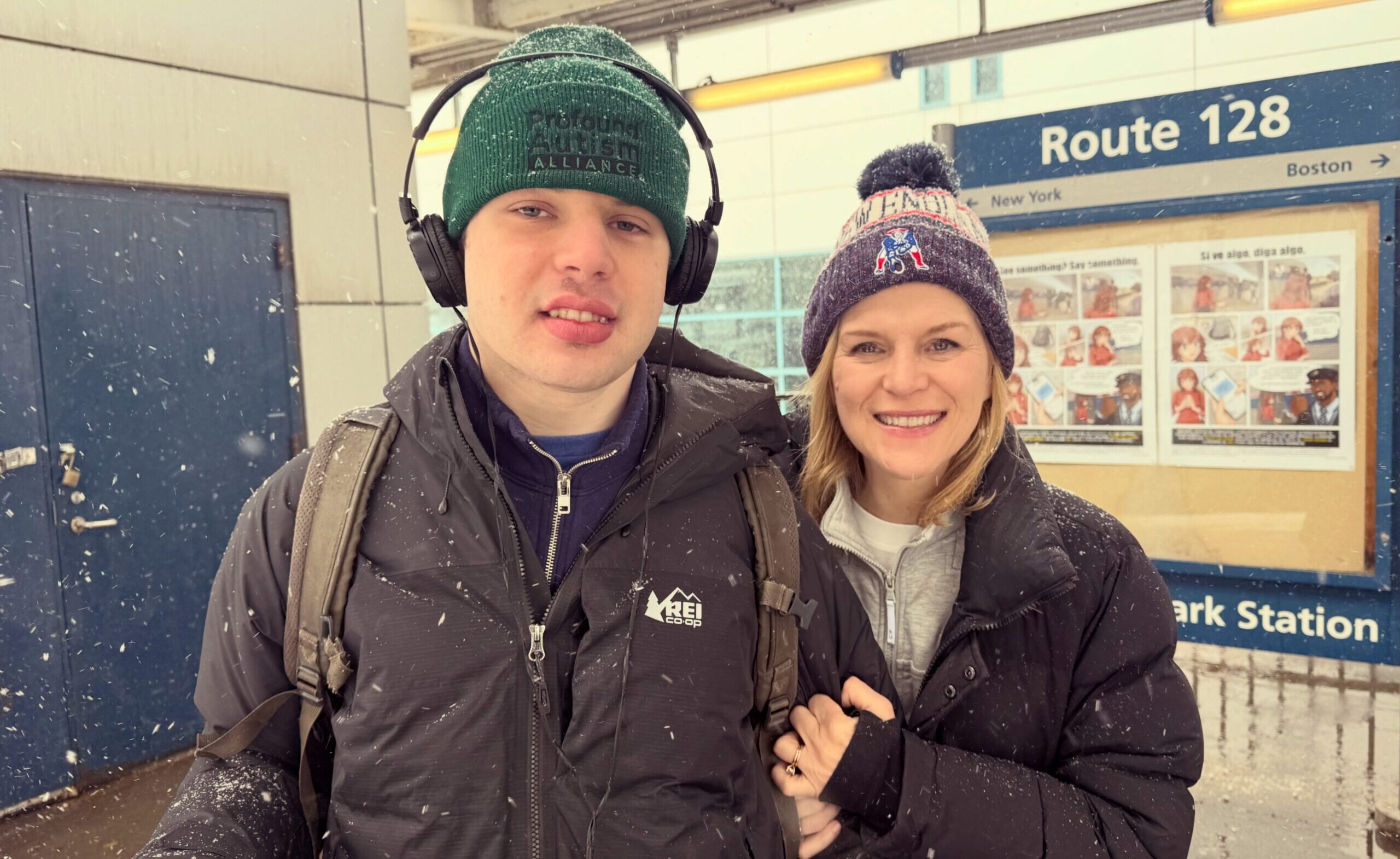
A Q&A with Judith Ursitti, cofounder and president of Profound Autism Alliance
As awareness of autism spectrum disorder continues to grow — along with research, services and support systems — so does our understanding of its complexity. Autism is not a single experience. As the saying goes, “If you know one person with autism, you know one person with autism.”
In recent years, the term profound autism has gained greater attention. It helps describe a subset of individuals on the autism spectrum who have limited language and/or intellectual disability. The defining factor is that they require lifelong 24 hours a day, seven days a week care. Another way to say it is that they have non-transitory high support needs.
Using this term allows for more clarity in conversations about services, research and policy, and helps ensure individuals with the highest support requirements — and their families — are fully recognized.
We spoke with Judith Ursitti, cofounder and president of the Profound Autism Alliance, to learn more about why this distinction matters and how we can foster greater awareness and support.
What kinds of support do individuals with profound autism typically need?
People with profound autism require high levels of support to remain safe and to maintain the health and connection that they deserve. As an example, wandering, pica (can you explain pica?) and self-injury are frequent concerns. Daily living activities like bathing, toothbrushing, preparing food or getting dressed often require ongoing support. And critically, this all must be balanced with dignity and respect for their humanity.
How common is profound autism?
A 2023 study from the Centers for Disease Control and Prevention found that 26.7% of individuals with autism meet the criteria for profound autism, representing an estimated one million people across the U.S., many of whom require significant, lifelong support.
What does daily life look like for a family caring for someone with profound autism?
Every family is different, but we tend to plan all of our activities around sleep, safety, the right foods, access to a bathroom, quick exits and to prepare for potential intense or dangerous behaviors. This means our family must do a lot of dividing and conquering when it comes to activities in the community and at home. We have become an expert “hazmat team,” ready to spring into action when elopement (wandering) occurs without blinking.
We also are fortunate to bear witness to how the world often sees and supports our son. Whether it’s swimming at the pool, going to the grocery store or riding the train to Fenway Park, we are the recipients of grace.
During any given week, we wake up, assist Jack with showering, tooth brushing, shaving and getting dressed. We drive him to his adult program, where he is given one-on-one support. When he is done with his day program, he goes into the community with one of his longtime ABA therapists. They frequently go to the health club, the grocery store or our local rail trail. When Jack gets home, I have dinner ready for him. I cut up any foods that require it, and keep an eye on him to make sure he doesn’t inhale his food too quickly and choke. Then we hang out together until bedtime. We’ve worked for years and years to get to a place where Jack sleeps all night. He usually gets up around 2 a.m. for a bit, but we all usually go back to sleep. This is much better than when used to get up at 2 a.m. for the day. That was hard for all of us.
Jack has many doctors’ visits, as he has epilepsy, gastrointestinal issues and severe and challenging behaviors that can require intervention.
What are the most common misconceptions about profound autism?
One of the biggest misconceptions about people with profound autism is that they are all the same. They are not. Like anyone else, people with profound autism have distinct personalities. Some are shy, others are extroverted. Some are energetic, others are more laid back. If we take the time to truly get to know them, we discover interesting and unique human beings, not stereotypes. Words are not required. This can be done simply by spending time with them.
How can advocacy honor both independence-focused autistic voices and families caring for individuals with profound needs?
We should value diverse autistic voices. We should value caregiver voices. And we should value the very real, advocacy-informing presence of people with profound autism. What we should not tolerate is minimizing the experiences behind those voices.
We will not agree on everything. Moving forward with compassion, clarity, and progress for all parts of the spectrum must remain our true north. Sometimes our goals will differ or even conflict. But those moments should not become opportunities to attack. We can honor differences and still work together when possible.
I am a strong believer that throwing stones is a waste of time and energy. I have learned that from experience. Instead, we can pause, step back, and ask how we might build with those stones. Let’s choose to build. Let’s create a community where every person, regardless of ability, is seen, valued, and supported.
Judith Ursitti is cofounder and president of Profound Autism Alliance. A CPA by training, she spent a decade working in tax accounting. She became immersed in autism advocacy in 2005 when her son, Jack, was diagnosed at age 2. Since his diagnosis, she has worked on the passage, implementation and enforcement of autism insurance reform as part of the team that passed legislation in all 50 states. Learn more about Ursitti’s work at profoundautism.org.